When Your Distributed System Is Slower Than a Laptop: Understanding the Hidden Cost of Distributed Computing
Many engineers hit a sobering realization when they deploy a shiny new distributed system across multiple nodes, only to find their old laptop running a…
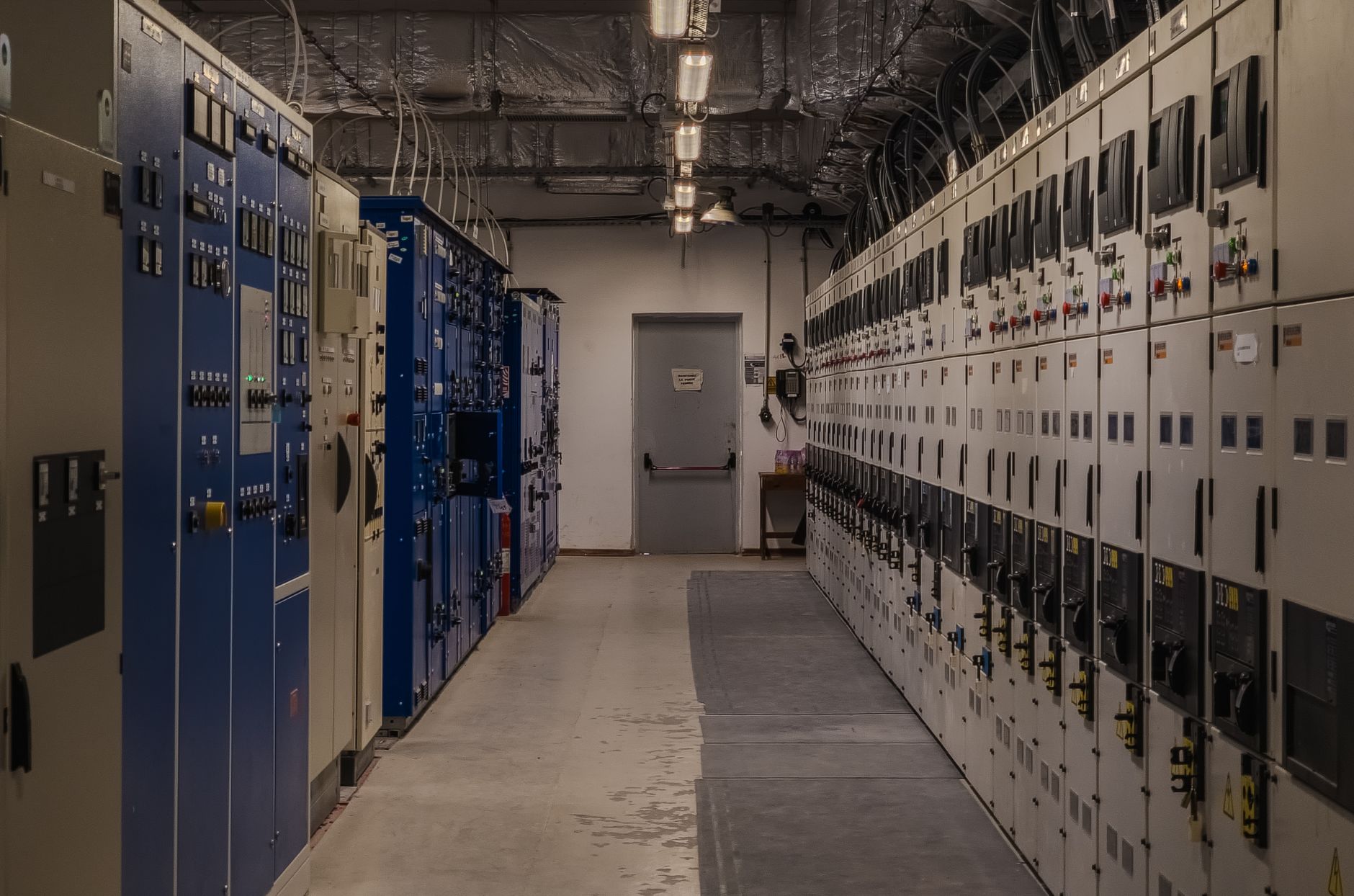
Many engineers hit a sobering realization when they deploy a shiny new distributed system across multiple nodes, only to find their old laptop running a single process handles the same workload significantly faster. It feels backwards — surely more machines equal more power? The truth is messier, and understanding why this happens is crucial for anyone building systems seriously.
The Core Problem: Distribution Has a Price Tag
Distributed systems impose overhead that simply doesn't exist on a single machine. Every time one node talks to another, that communication travels over a network. Even on a fast internal network, you're looking at 1–10ms of latency — compared to nanoseconds (under 100ns) for a CPU to hit memory or call a local function. That's a 10,000x difference. When your workload demands frequent coordination between nodes — message passing, lock acquisition, state synchronization — those milliseconds pile up fast.
The real culprit is that engineers often default to distributed architecture as an automatic upgrade rather than a deliberate trade-off. The thinking goes: distribution automatically means scale, resilience, and speed. But a distributed system that's slower than a single optimized process isn't a surprise — it's predictable if the workload doesn't justify the complexity.
Coordination Overhead: The Silent Performance Killer
Think about what happens when a distributed system needs to keep state consistent. Nodes must agree on who holds a lock, what a counter says, whether a transaction actually committed. That agreement requires network round trips, and they're expensive. Consensus algorithms like Raft or Paxos — the backbone of many distributed databases — can need multiple round trips just to settle one operation.
Now compare that to a laptop running the same logic in a single process. No network involved. A mutex lock or shared variable read happens at memory speed. Coordination costs plummet. When the actual work is lightweight but coordination is heavy, a distributed system that's slower than a laptop isn't a flaw — it's math.
Serialisation and Deserialisation Costs
The cost of serializing and deserializing data between nodes gets overlooked constantly. In a single process, handing a complex object to another function is basically free — you pass a pointer and the data stays put in memory. In a distributed system, that same object gets encoded to bytes, sent across the network, received, and decoded back into something usable.
Whether you use JSON, Protocol Buffers, or MessagePack, the CPU cost is real — especially at high throughput. A workload that passes large or intricate data structures frequently pays a steep serialization tax. Engineers who carefully benchmark distributed systems against local alternatives often discover serialization eats 20–40% of total latency.
The Problem of Inappropriate Workloads
Distributed systems genuinely shine in specific situations: when data won't fit on one machine, when you need geographic redundancy for fault tolerance, or when you can partition work across independent data chunks. That last part matters — independent. Embarrassingly parallel tasks that don't need to talk to each other scale beautifully because coordination overhead stays minimal.
Most real workloads aren't like that. They involve shared state, sequential dependencies, or steps where you merge results from multiple nodes. Forcing these into a distributed architecture doesn't eliminate the inherent bottlenecks — it just adds network hops. The distributed system ends up slower than running the same logic locally, where at least coordination happens cheaply in memory.
How to Diagnose Whether You Actually Need Distribution
Before building distributed, ask yourself these questions:
Data Volume: Does the dataset actually outgrow a single good machine? Modern servers hold terabytes of RAM and run dozens of cores. Plenty of workloads distributed out of habit could live elegantly on one large instance.
Coordination-to-Compute Ratio: How much time do nodes spend talking versus working? If they spend more time coordinating than computing, you're probably over-distributed. Profiling tools that track network latency alongside compute time expose this quickly.
Fault Tolerance Requirements: Do you actually need the level of fault tolerance your distributed setup provides? Replication and consensus have real performance costs. If you can tolerate a simpler failure model — maybe a single replica with fast failover — a lighter design works better.
The Right Mental Model: Distribution as a Tool, Not a Trophy
The real issue behind the slow distributed system problem is a cultural quirk in engineering: treating architectural complexity as proof of sophistication. It's not. The best solution is usually the simplest one that meets your actual requirements around scale, availability, and correctness — without extra overhead.
Distributed systems are powerful. But they carry real costs: network latency, coordination overhead, serialization expense, and operational complexity. Reaching for them when a well-tuned single machine would do doesn't show maturity — it undermines it.
The engineers who truly understand this are the ones who deploy distributed architectures when they matter, and have the confidence to say no when they don't. Sometimes the most impressive system you build is one that runs beautifully on a single machine.
Comments(0)
No comments yet. Be the first to share your thoughts.
Join the conversation
Your email stays private and comments are reviewed before appearing.